The Energy Difference Between Consuming and Living
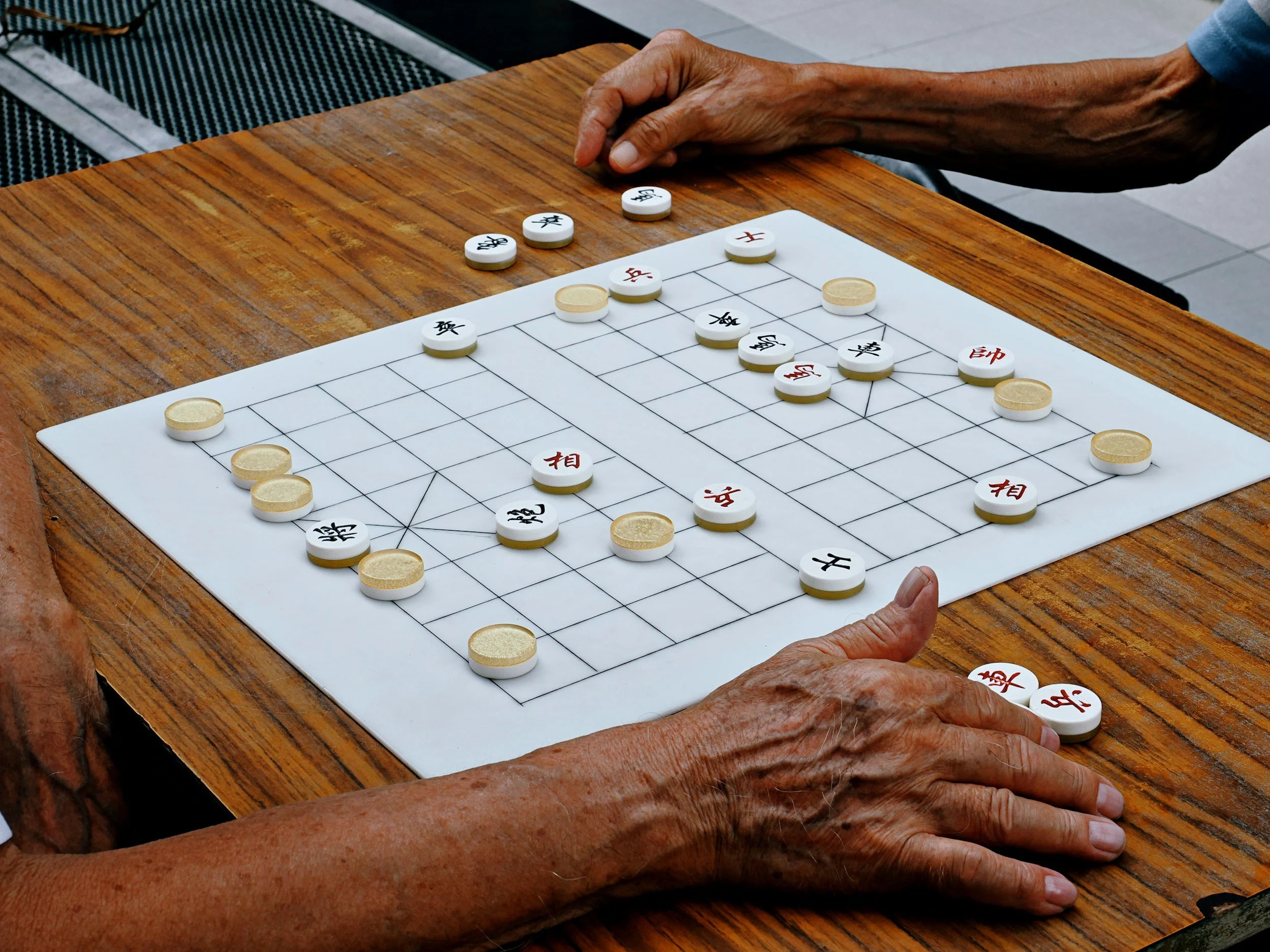
For many of us our default form of “relaxation” after work looks pretty similar: scrolling social media, watching your favorite YouTuber’s latest upload, swiping potential matches, bingeing TV shows, and bouncing between apps. At first, it feels restorative to pull out your phone or turn the TV on. It’s almost as if a breath of fresh air is flowing from the screen into your body. Phones and screens require almost no effort to engage with, and the stimulation they provide is immediate and powerful.
But over time, you may have started to notice something unsettling, whether consciously or subconsciously, Have you felt more fatigued, unmotivated and mentally scattered the more you rely on passive digital entertainment to decompress? If so, perhaps you’ve started to notice that you’re not necessarily physically exhausted from doing hard things, but mentally dulled from consuming too much low-effort stimulation.
If this is the case for you, you’re not alone.
I started to suspect that my screen time wasn’t the “zero-sum” form of relaxation I once assumed it was. Instead, it felt like something I was actively paying for with my attention, energy, and focus every time I instinctively reached for my phone. So I decided to experiment: I reduced my dependence on social media, YouTube, and TV as my primary forms of entertainment and recovery after work.
In their place, I leaned into some interesting and some normal evening activities and hobbies including taking adult Irish dance lessons, going on more walks with my dog, cooking multi-step meals, playing sudoku, learning Spanish and reading.
The difference was dramatic.
I felt consistently calmer. More centered. More energized. More motivated to pursue meaningful goals. My mind felt clearer. My mood stabilized. My evenings felt longer and fuller instead of disappearing into an algorithmic blur, a stark contrast to how quickly hours vanish under the spell of technology.
And, as it turns out, research increasingly supports this experience.
The Cost of Passive Digital Consumption
Modern entertainment platforms are designed around frictionless consumption and infinite scroll time. These systems are extremely good at capturing attention but not necessarily at restoring mental energy. Research has consistently linked excessive screen-based sedentary behavior and problematic social media use with higher rates of depression, fatigue, anxiety, and reduced wellbeing.
One large meta-analysis published in BMC Public Health found that greater sedentary screen time was associated with significantly increased risk of depression. Another meta-analysis examining “social media fatigue” found that information overload, emotional overload, and behavioral stressors contribute heavily to feelings of exhaustion and disengagement.
Even when we think we’re “relaxing,” our brains are still processing:
endless novelty,
social comparison,
emotional reactions,
algorithmic stimulation,
fragmented attention,
notifications,
and constant low-level decision making.
Why Passive Entertainment Often Leaves Us Feeling Worse
Not all screen time is equal. Research increasingly suggests that passive forms of media consumption (especially endless scrolling or binge-style viewing) tend to correlate more strongly with poorer mental health outcomes than more active or intentional forms of engagement.
Passive entertainment creates a strange psychological state: highly stimulated but not deeply engaged. Well distracted but not fulfilled. Mentally occupied but emotionally flat.
There’s also the issue of attention fragmentation. Constant short-form stimulation trains the brain to expect novelty and reward at rapid intervals. Over time, slower but meaningful activities like reading, creative work, deep conversations, and skill-building can begin to feel unusually difficult. Some researchers have even described social media use as producing a kind of “always on” cognitive load that contributes to emotional exhaustion and depressive symptoms.
I started noticing this in myself. After an evening of scrolling or binge-watching, I rarely felt truly restored. But after activities involving movement, focus, or creation, I felt the opposite.
Why Movement and Active Engagement Feel Different
The human brain appears to respond very differently to activities that involve movement, active cognition and decision making, creativity, social connection, skill development and focused attention.
Research highlighted by the University of South Australia found that cognitively engaging sedentary activities, like reading, social interaction, and crafting, were associated with better cognitive outcomes, while passive TV viewing was associated with worse outcomes.
The issue may not simply be “screens” versus “no screens.” It may be: passive consumption vs. active participation, stimulation vs. engagement, distraction vs. immersion, and consumption vs. creation. This might explain why screen time at work feels different than screen time in bed at night before falling asleep.
When we engage deeply in something we often enter states of flow and presence that are psychologically nourishing. Interestingly, recent research suggests genuine “flow states” are actually relatively rare during social media use, despite how absorbing platforms can feel.
Human beings seem to thrive when life includes:
movement,
creativity,
challenge,
focus,
social connection,
novelty in the real world,
and active participation in meaningful experiences.
The more I replaced passive digital entertainment with activities that engaged my body, mind, or creativity, the more energized and content I felt. Not constantly euphoric. Not magically productive every day. Just… more alive. It sort of feels like retraining my brain to tolerate slower, more focused activities. It’s hard at first but becomes rewarding. Maybe a similar experience could happen for you :)
Sources
Huang, C. (2022). A meta-analysis of the problematic social media use and mental health. Current Psychology.
Zhai, L., Zhang, Y., & Zhang, D. (2015). Sedentary behaviour and the risk of depression: A meta-analysis. British Journal of Sports Medicine.
Dwyer, R., Kushlev, K., & Dunn, E. (2018). Smartphone use undermines enjoyment of face-to-face social interactions. Journal of Experimental Social Psychology.
Primack, B. A. et al. (2017). Social media use and perceived social isolation among young adults in the U.S.American Journal of Preventive Medicine.
Hallgren, M. et al. (2020). Passive and mentally-active sedentary behaviors and depression. Exercise and Sport Sciences Reviews.
Ratey, J. J. & Hagerman, E. (2008). Spark: The Revolutionary New Science of Exercise and the Brain. Little, Brown and Company.
Csikszentmihalyi, M. (1990). Flow: The Psychology of Optimal Experience. Harper & Row.